Veterinary care costs in Canada have climbed steadily, especially after the pandemic. Prices vary by province, clinic type, and the size of your pet, but across the country, pet owners spend hundreds to thousands of dollars annually on routine and emergency care.
This guide breaks down average costs for common services and shows why more Canadians are turning to dog insurance to manage these rising expenses.

Average Cost by Type of Visit
Urban areas like Toronto, Vancouver, and Calgary tend to charge 20–40% more for veterinary care due to higher clinic overhead. In smaller cities or rural regions, fees are often lower, but specialty services (like imaging or oncology) may require referral to larger centres.
Without insurance, one emergency can derail a family budget. Most Canadian plans reimburse 70–90% of eligible expenses after your deductible - helping you focus on care, not cost.
Learn more:
Veterinary inflation is real - costs rise 6–8% annually. Puppies, senior dogs, and high-risk breeds benefit most from early coverage before health issues appear.
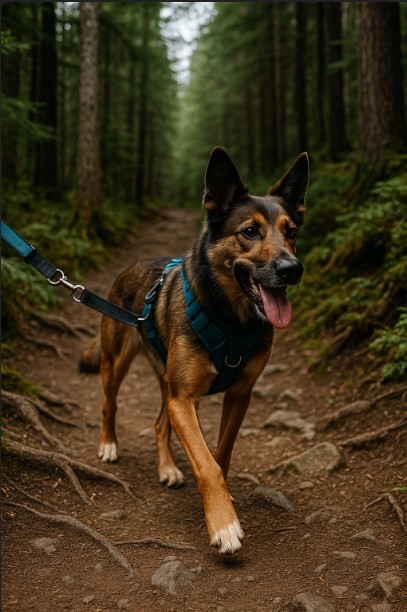
Hit the trails with confidence! Our guide to the best dog leashes for hiking in Canada breaks down the top leash types - from hands-free to reflective - and shares expert tips for safe, comfortable adventures with your pup. Featuring trusted Canadian gear from Rocky Mountain Dog, this post helps you choose durable, trail-tested leashes built for every season and terrain.

Discover why Labradors thrive on fresh, whole-food meals tailored to their active lifestyle. This guide breaks down the best fresh dog food options for Labrador Retrievers in Canada, explains why balanced nutrition matters, and highlights top NutriCanine recipes made with human-grade ingredients. Learn how to transition your Lab safely to fresh food, manage their calories, and support long-term health - all while keeping mealtime easy and convenient with Canadian delivery from NutriCanine.

This article explores the best greeting exercises to stop dogs from jumping, barking, or biting when meeting people. It explains why dogs act out during greetings - often from excitement or overstimulation - and provides step-by-step training tips to promote calm behavior.

Discover practical and creative ways to keep your dog active indoors this winter. From games and training to DIY enrichment, keep your Canadian pup happy and healthy no matter how low the temperature drops.

When winter hits, knowing your dog’s limits is key. This vet-informed guide explains how cold is too cold for different breeds, the warning signs of overexposure, and simple tips to keep your pup warm and safe during chilly walks.