The Miscellaneous Group features unique and developing dog breeds that are not yet fully recognized by major kennel clubs. In Canada, these emerging breeds are gaining attention for their distinctive traits, purpose, and temperament. From the Barbet to the Danish–Swedish Farmdog, these breeds represent the future of canine diversity. This guide highlights their characteristics, origins, and what makes them stand out among Canadian dog lovers.

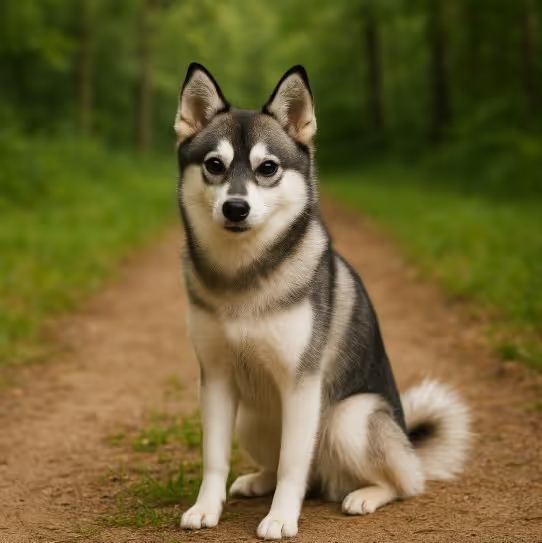
The Alaskan Klee Kai is a small, intelligent, and energetic companion breed that resembles a miniature Siberian Husky. Developed in the 1970s to be a scaled-down version of a northern working dog, the Klee Kai is alert, loyal, and often reserved with strangers—making it an excellent watchdog. While compact in size, they carry the bold spirit and striking looks of their larger cousins. This breed thrives in active homes and is best suited for experienced dog owners who understand their high energy and independent streak.
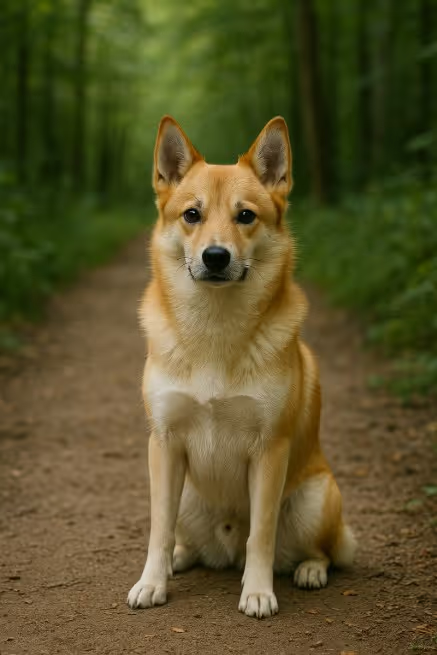
The Norrbottenspets is a cheerful, foxlike Nordic spitz bred in Sweden’s far north to hunt small game and birds using an animated, “bark-pointing” style. Lively, affectionate, and highly aware, this compact athlete thrives with outdoorsy owners who enjoy hiking, training, and nose work. If you’re wondering “Are Norrbottenspets good apartment dogs?”—yes, for active homes that manage barking. “Do Norrbottenspets shed?”—they’re seasonal shedders with a weatherproof double coat.
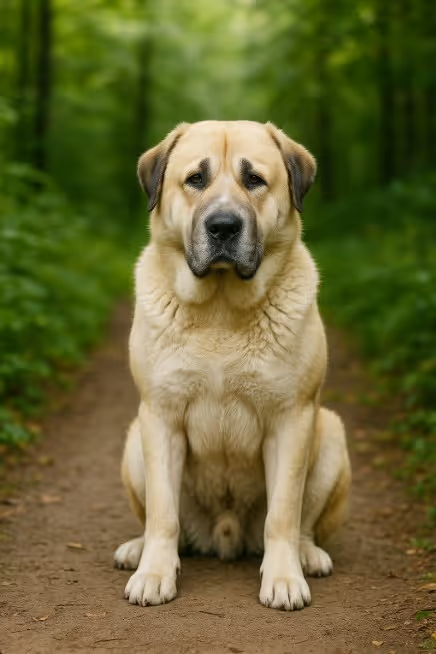
The Central Asian Shepherd Dog is an ancient livestock guardian—calm, imposing, and deeply loyal to its family. Bred across the steppes and mountains of Central Asia to deter predators and protect property, the CAO is naturally suspicious of strangers yet affectionate and gentle with its own people. If you’re asking “Are Central Asian Shepherds good family dogs?”—yes, in experienced homes with secure fencing, early socialization, and clear rules. “Do Central Asian Shepherds shed?”—moderately to heavily, seasonally. “Are they hypoallergenic?”—no. Heat management, joint care, and visitor protocols are essential.