Sporting dogs were bred to assist hunters in the field - Retrievers, Setters, and Spaniels excel in stamina, biddability, and water-loving work. In Canada, their cold-weather tolerance and enthusiasm for trails, swimming, and fetch make them ideal for active owners. This guide compares temperament, exercise needs, shedding, and health so you can choose confidently.
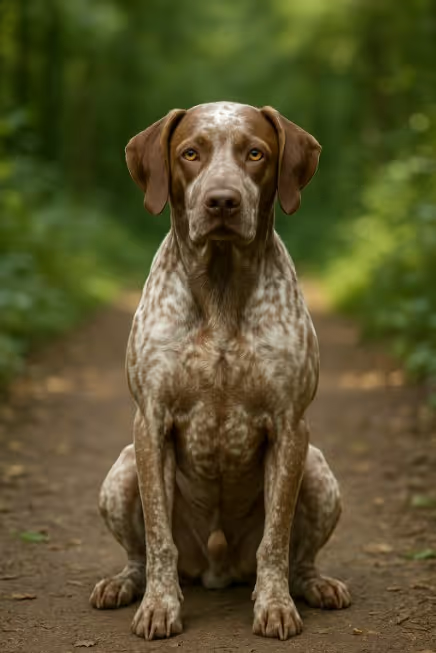
The Braque du Bourbonnais is a gentle, medium-sized French pointing dog famed for its pear-shaped head, soft expression, and “faded” roan coat in peach (fawn) or lilac (liver) tones. Calm and cuddly at home yet energetic in the field, the Bourbonnais is biddable, affectionate, and thrives with active owners who enjoy training, hiking, and scent work. If you’re searching “Are Braque du Bourbonnais good apartment dogs?”—yes, for active homes that meet exercise needs. “Do Braque du Bourbonnais shed?”—light to moderate.

The Vizsla is a sleek, affectionate, and highly energetic sporting breed from Hungary, known for its golden-rust coat, graceful build, and unwavering loyalty. Often called the “Velcro dog” for their deep attachment to their owners, Vizslas are excellent companions for active households that can provide daily physical activity and mental stimulation. Skilled in hunting, pointing, and retrieving, they are equally at home in the field or relaxing with family.
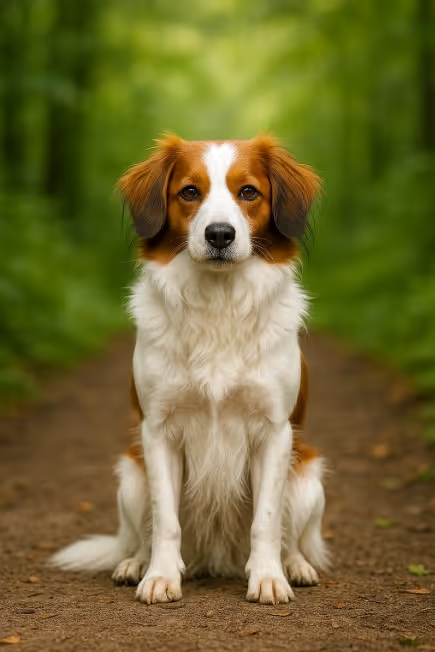
The Nederlandse Kooikerhondje is a cheerful, fox-faced, spaniel-type gun dog developed to lure ducks into decoys using its white-tipped plume tail. Affectionate, sensitive, and clever, “Kooikers” bond closely with their people and thrive on training games, moderate daily exercise, and calm, consistent handling. If you’re searching “Are Kooikerhondjes good apartment dogs?”—yes, for active owners who meet their exercise and enrichment needs. “Do Kooikerhondjes shed?”—moderately, with seasonal coat blows.

The Deutscher Wachtelhund, or German Spaniel, is a versatile hunting dog bred for tracking and flushing game in dense terrain. Friendly, loyal, and hardworking, they bond closely with their family and thrive when given a job. While not commonly found outside Europe, they’re gaining attention in Canada for hunters and active rural homes. Wondering “Are Deutscher Wachtelhunds good apartment dogs?” — only if their intense energy and working drive are fully met with daily outlets.
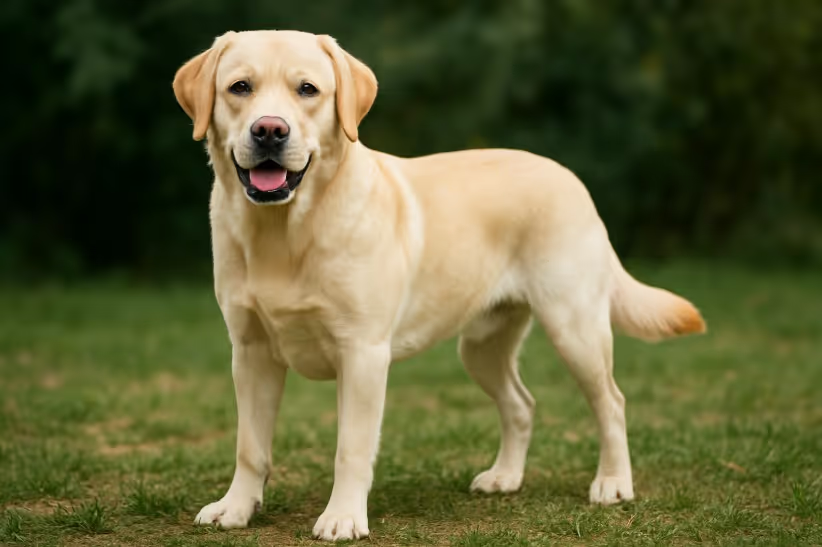
Labrador Retrievers are friendly, intelligent, and outgoing dogs with a reputation for being among the most versatile and loyal companions. Originally bred for retrieving waterfowl, Labs are now beloved family pets, service animals, and hunting partners. Their eagerness to please, combined with gentle temperament and high energy levels, makes them ideal for active households and first-time dog owners alike.